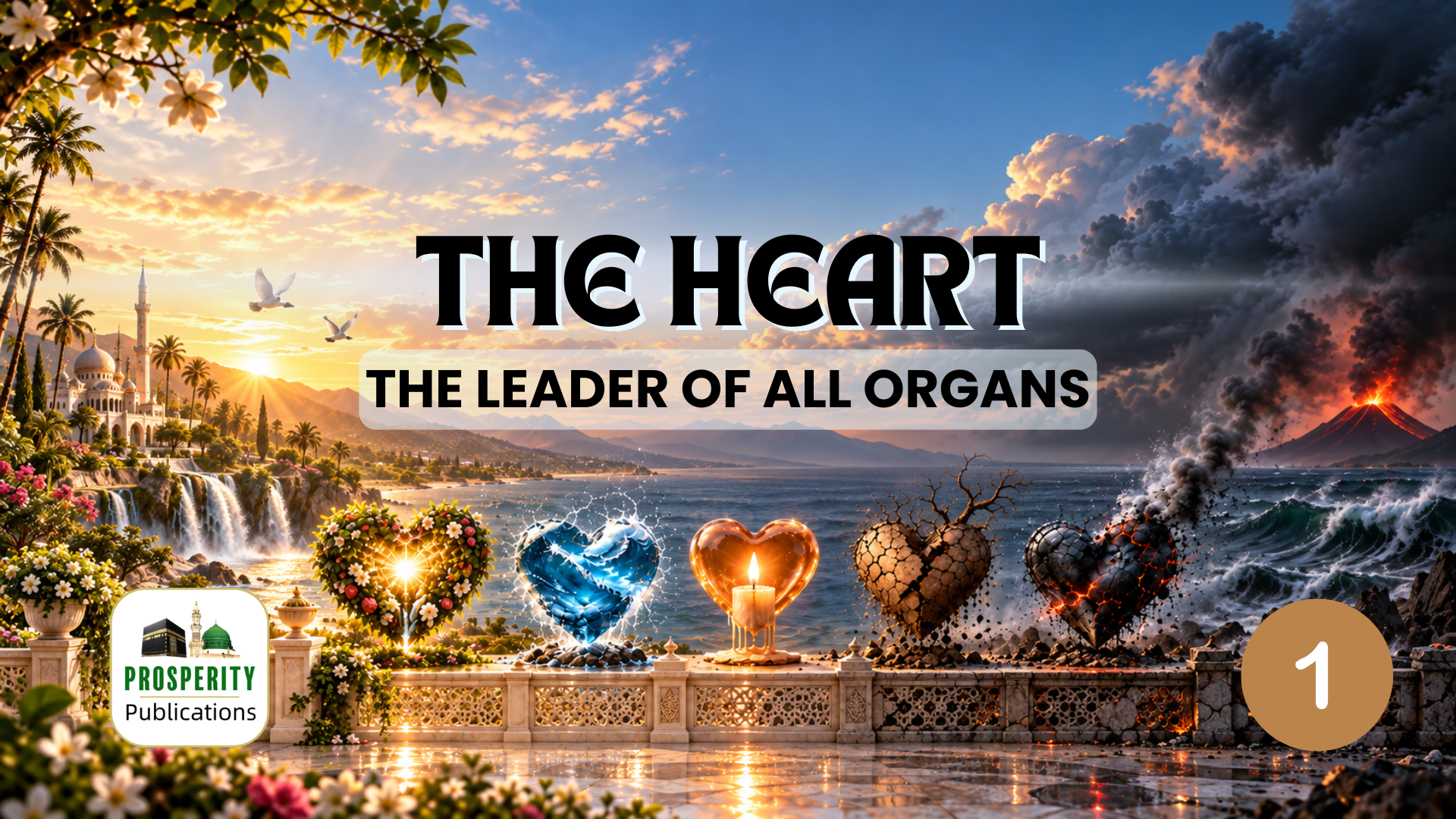
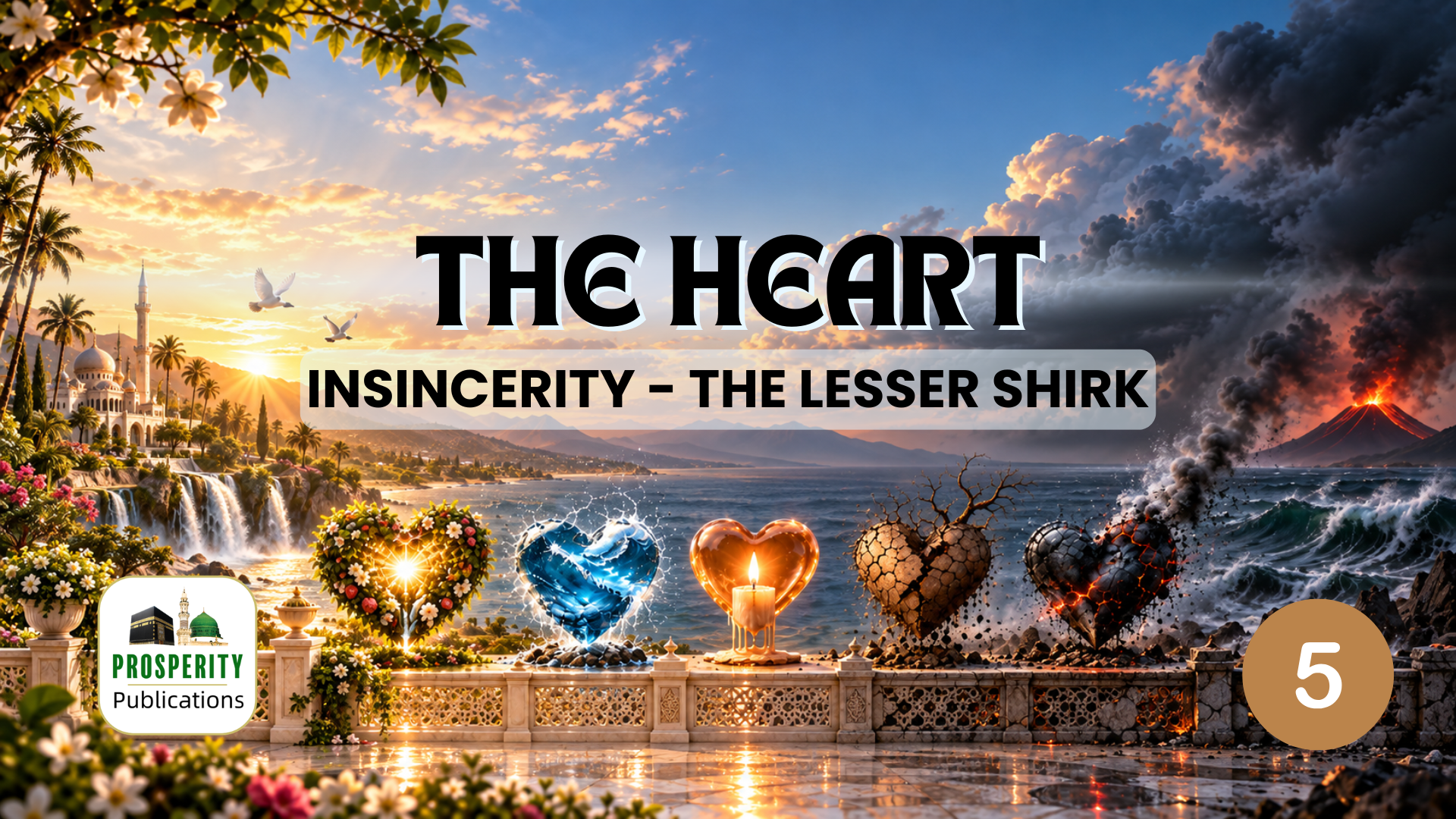
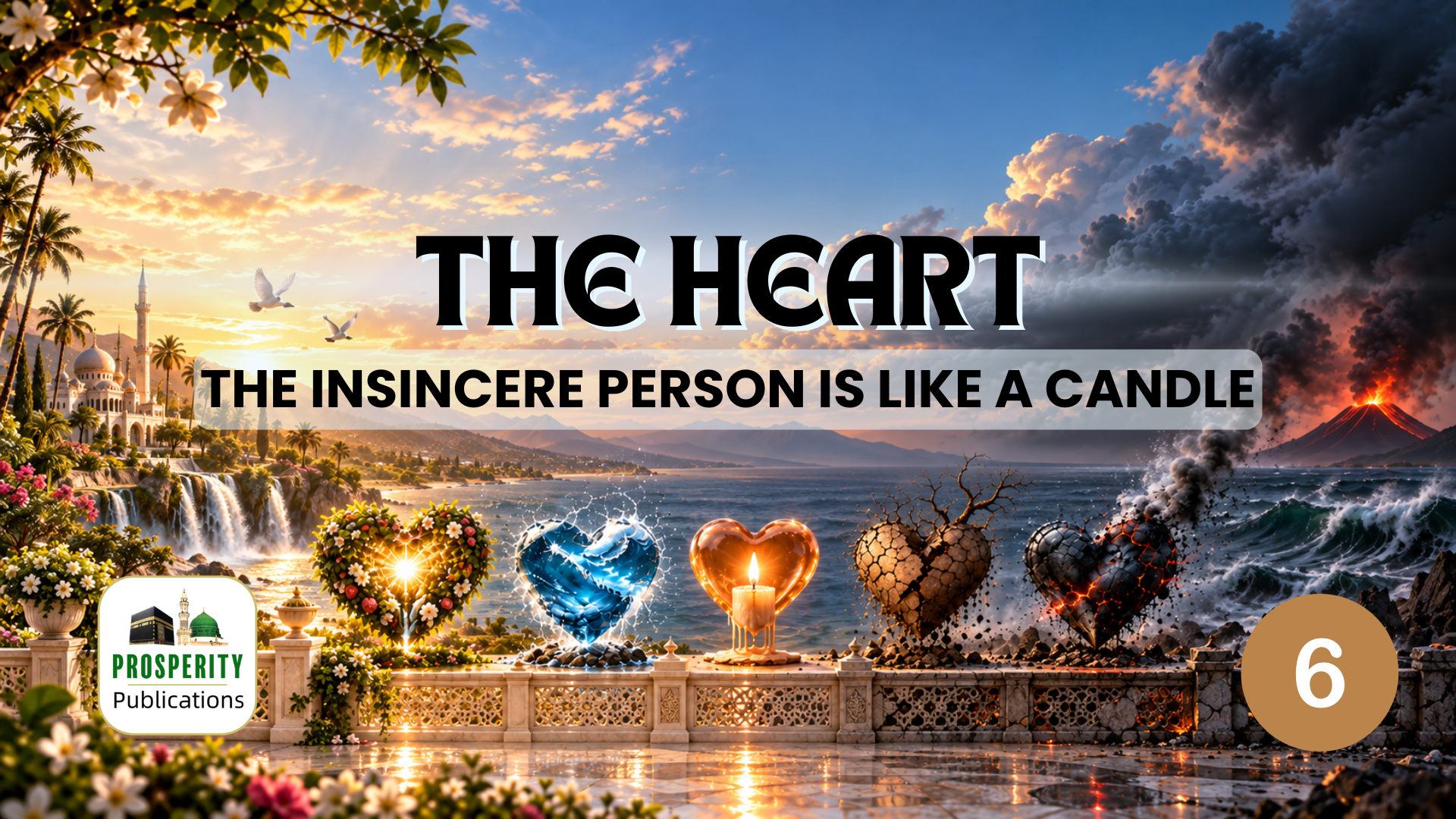
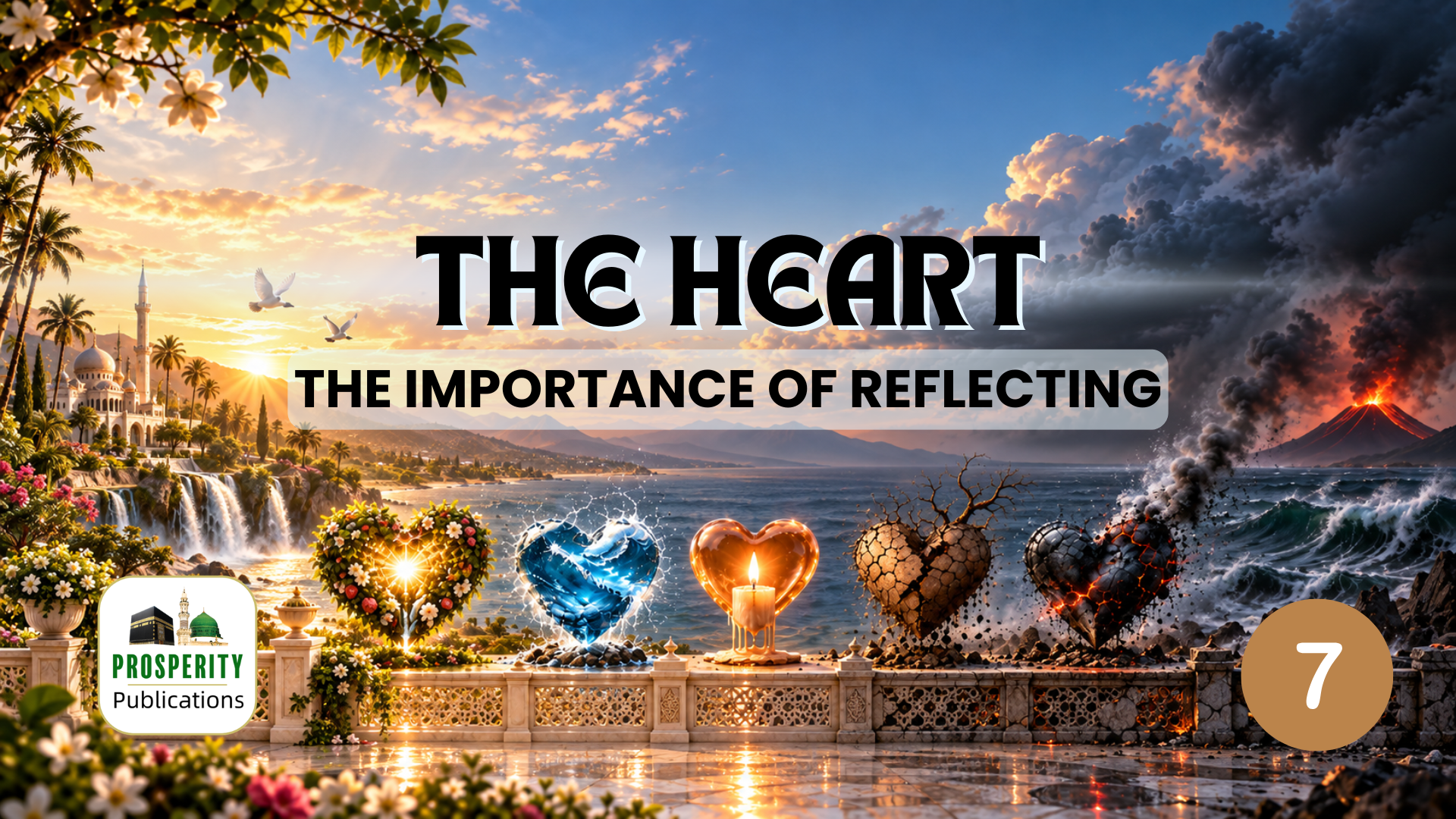
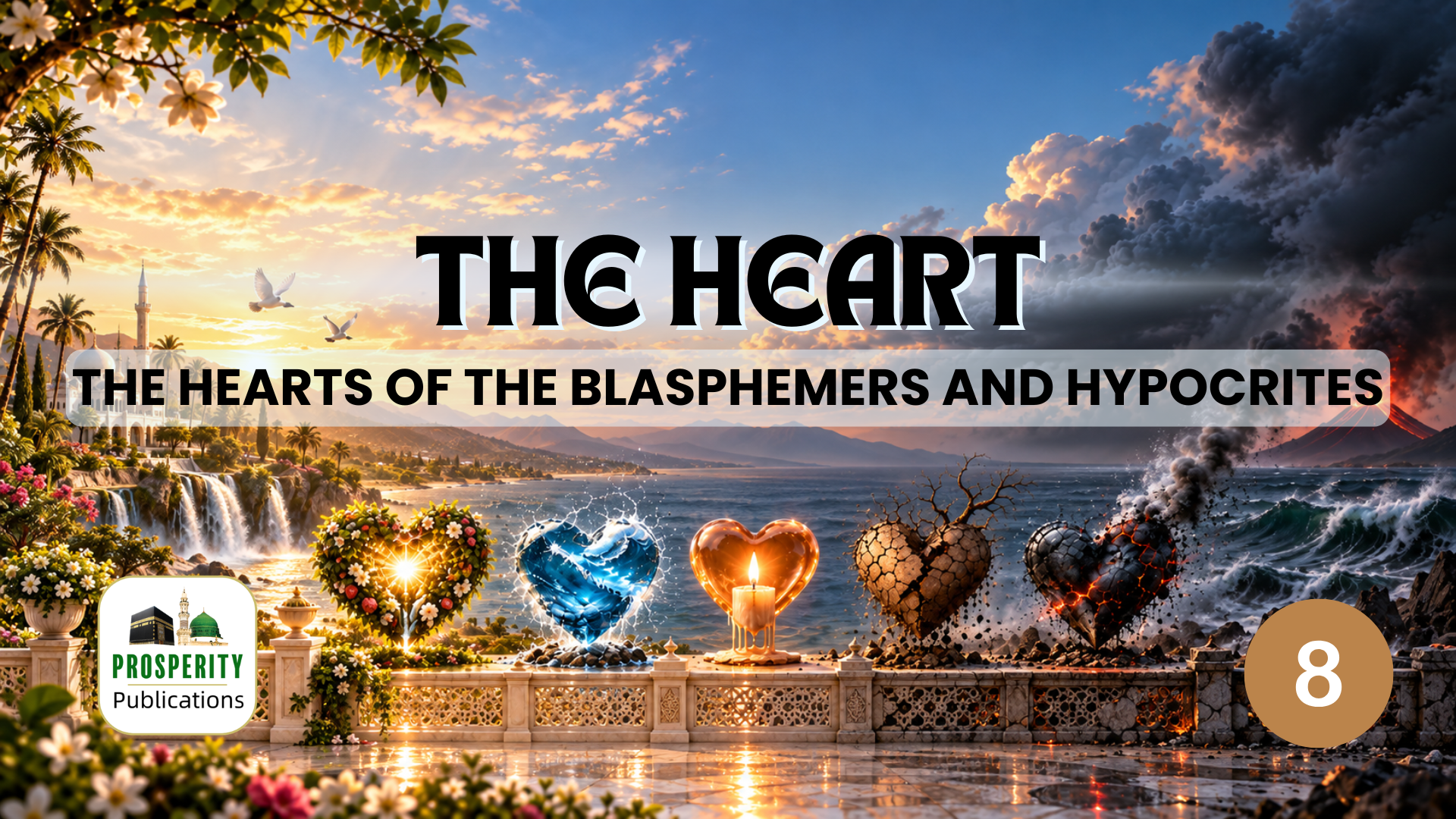
THE HEART
THE LEADER OF ALL ORGANS
One of the most profound hadeeth that you will find about the heart, which summarizes the meanings of the heart, is that which was narrated by both Al-Bukhaariyy and Muslim, that the Messenger of Allaah, ﷺ, said:
أَلَا إِنَّ فِي الْجَسَدِ مُضْغَةً إِذَا صَلَحَتْ صَلَحَ الْجَسَدُ كُلُّهُ وَإِذَا فَسَدَتْ فَسَدَ الْجَسَدُ كُلُّهُ ألا وَهِيَ الْقَلْبُ
This means, indeed, in the body is a small piece of flesh. If it is good, then the whole body will be good. And if it is corrupt, then the whole body will be corrupt. Indeed, it is the heart.
This hadeeth is remarkable, because although it is concise, it captures the meanings of the heart very well. If you yourself imagine all of the thoughts that come into your mind that you experience in your heart with voluntary or involuntary reactions, to your different interactions with the world and people around you, and the emotions that you experience, and sometimes they may be heightened emotions, and other times they are depleted to an extent that one gets depression, you would realize that all of this occurs in the heart.
If you don’t have guidelines or rules by which you protect your heart, then your heart is in danger of becoming a corrupt or a diseased heart. If one does not know how to curb those feelings or keep them under control, then they can greatly and severely harm one. Because all the intentions begin in the heart, it is from here that they translate into actions or translate into speech onto the tongue.
And if the heart was a corrupt one, then surely the actions that result from the corrupt intentions would also be corrupt. But if the heart was a sound, healthy heart, due to carrying the correct belief, the good deeds that it is constantly engaged in, and its abstinence from sins, then it would produce good intentions and by that, good actions.
Knowledge to Illuminate the Heart
Click a lesson below to watch and learn