

Zakaah
Allaah, the Exalted revealed in Soorat Al-Baqarah, verse 43:
﴾ وَأَقِيمُوا۟ ٱلصَّلَوٰةَ وَءَاتُوا۟ ٱلزَّكَوٰةَ ﴿
This verse means:« Perform the Prayers and pay Zakaah. »

The Messenger of Allaah, ﷺ, said in the hadeeth known as Hadeeth Jibreel:
بُنِيَ الإسلامُ على خمسٍ شَهادةِ أن لا إلَهَ إلَّا اللهُ وأنَّ محمَّدًا رسولُ اللهِ وإقامِ الصَّلاةِ وإيتاءِ الزَّكاةِ وصَومِ رمضانَ وحجِّ البيتِ لمنِ استطاعَ إليهِ سبيلًا
« Islaam is based on five matters. Testifying that no one is God except Allaah and that Muhammad is the Messenger of Allaah, performing the Prayers, paying Zakaah, performing Pilgrimage, and fasting Ramadaan. »
Narrated by Al-Bukhaariyy and Muslim.
Linguistically, the word “Zakaah” means purification, growth, and development; and religiously it means what is paid on account of wealth or personhood in a specific way; and it is one of the five greatest matters of Islaam.
It is obligatory for one to pay Zakaah for having:
- Camels, cattle, sheep, and goats
- Dates, raisins, and staple crops consumed by choice
- Gold, silver, golden and silver ores, and golden and silver treasure-troves (rikaaz)
- Trade articles
- Zakaah of Fitr
Zakaah is obligatory only in the matters mentioned above. All other owned items are not subject to Zakaah. Hence, there is no Zakaah on the house rented out or owned land or cars kept for other than trading. Similarly, fruits and vegetables, like apples, pears, tomatoes, and zucchini are excluded. Animals, such as horses and poultry, are not subject to Zakaah. Factory – machinery used to produce certain products are excluded from Zakaah. There is no Zakaah on employee wages, doctor fees, or earnings from other than trading.
According to the schools of Imaam Ash-Shaafi^iyy and Imaam Maalik, (may Allaah raise their ranks), paper money is excluded from Zakaah, if it is not of trading. However, according to Aboo Haneefah, paper and metallic money (coins) which are used as currency are subject to Zakaah. In this matter, following the school of Aboo Haneefah puts one on the safer side. However, whoever does not follow it is not blameworthy in the Hereafter.
Camels are subject to Zakaah, regardless of their kind. Cattles are subject to Zakaah including all kinds of cows and water buffalos jaamoos). Finally, sheep and goats are also subject to Zakaah.
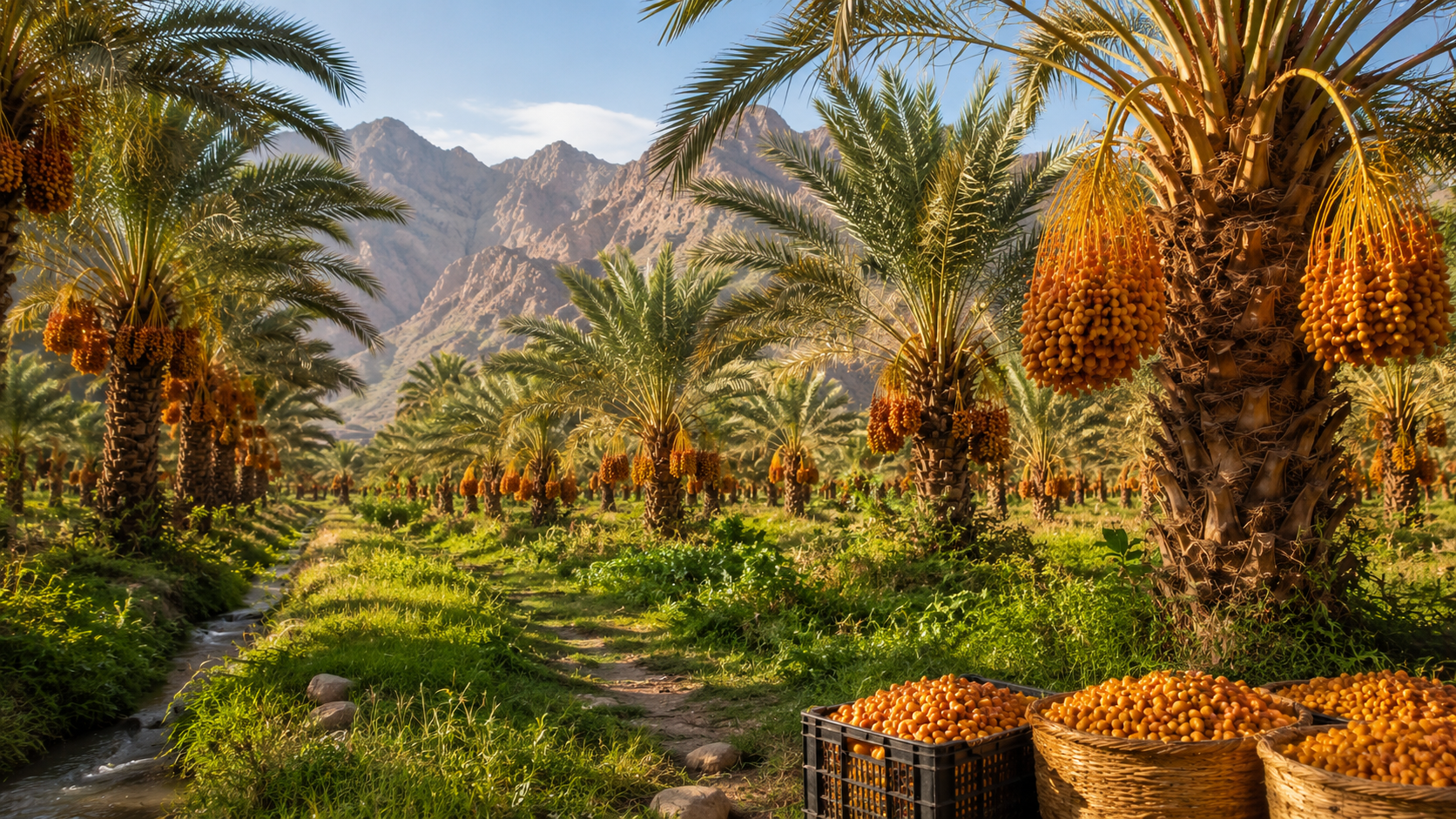
Dates are subject to Zakaah. The owner of the palm trees waits until the dates are dry before paying Zakaah. Similarly, the owner of grape vines waits until the grapes turn into raisins before paying the due Zakaah. As to the rest of the fruits, there is no Zakaah on them in their own right.
Additionally, staple crops are subject to Zakaah. These include grains that provide sustenance to the body, like wheat, barley, corn, rice, lentils, and chickpeas. Crops used for the sustenance of the body at times of necessity such as famine, but which are not used for sustenance at other times are not subject to Zakaah. An example is the bitter crop of colocynth¹. People do not choose to eat this crop in normal situations. Although consumed for sustenance in the case of necessity, no Zakaah is due on it.
¹(Colocynth, called in Arabic handhal, is a tendril-bearing Old World vine bearing yellowish, green-mottled fruits the size of small lemons.)
Gold and silver in all forms are subject to Zakaah, including currency, jewellery, ores, or treasure troves. However, there is a difference in opinion regarding permissible jewellery worn by females made from gold and silver. According to Aboo Hanifah, there is Zakaah obligatory on female jewellery made from gold or silver.
Ash-Shaafi^iyy said two sayings in this regard: once he said there is Zakaah due on female jewellery and once he said that there is not. So, to be on the precautionary side, one pays Zakaah on it.
A Clear Explanation of Zakaah and Its Rulings
RECIPIENTS OF ZAKAAH
Zakaah must be paid to Muslims deserving of Zakaah, as mentioned in the Qur’aan.
Allaah, the Exalted revealed in Sooratut-Tawbah, verse 60:
﴿ إِنَّمَا ٱلصَّدَقَـٰتُ لِلْفُقَرَآءِ وَٱلْمَسَـٰكِينِ وَٱلْعَـٰمِلِينَ عَلَيْهَا وَٱلْمُؤَلَّفَةِ قُلُوبُهُمْ وَفِى ٱلرِّقَابِ وَٱلْغَـٰرِمِينَ وَفِى سَبِيلِ ٱللَّهِ وَٱبْنِ ٱلسَّبِيلِ ﴾
This verse means: « Zakaah must be exclusively paid to the fuqaraa’, masaakeen, mu’allafatu quloobuhum, riqaab, ghaarimoon, fee sabeelillaah, and ibnus-sabeel.»
Those who deserve Zakaah are eight types of people, they are:
The poor people who earn less than half of their own basic needs and those of their dependants. They themselves have no one obligated to support them. Basic needs include essential food, clothing, and shelter.
The poor people who earn at least half but less than all their basic needs.
The new converts to Islaam who need help in integrating into the Muslim community, because they are still not used to the Muslims. These people are given from Zakaah, even if they are rich. This type also includes those who embrace Islaam and have a high social status amongst their people. If such people are given from Zakaah, other people with similar status are encouraged to embrace Islaam. Included are Muslims who inhabit the areas bordering the land of enemies and help in fighting them. Similarly, Zakaah is paid to those who, upon the orders of the caliph, fight the ones who abstain from paying Zakaah.
The slaves who agreed with their owners to work and pay a certain amount of money to purchase their own freedom. If they fall short in paying that money to their owners, they are given from the money of Zakaah to help them purchase their freedom.
Those who are unable to pay their debts. Similarly included are those who borrow money, whether rich or poor, to prevent a tribulation. If a tribulation between two parties is about to occur as a result of not knowing the killer of a person, then an individual borrows money and gives it to the relatives of the killed person to prevent this tribulation, in this case if this individual does not pay this debt back, he is helped to pay it back from the Zakaah money.
Similarly, Zakaah is paid to those who borrow money to build a mosque, provide for a guest, liberate a Muslim prisoner, or similar purposes that have general benefits for the society. This is true when they do not have enough currency to pay the due debt. Consequently, they are helped for that purpose even if they are not poor and own holdings other than currency that exceed the value of the debt.
The volunteer fighters who are fighting for the sake of Allaah and who are not given salaries for their service. Even if they are rich, those volunteer fighters are given from the Zakaah money to assist their preparation for fighting.
This is the meaning of fee sabeelillaah in the verse (by consensus, as related by Ibn Hazm and others). It does not refer to any charitable project.
The Prophet ﷺ said:
وليس فيها حقُّ لِغَنِيّ ولا لِقَوِىّ مُكتسِب
It means:
“There is no right in Zakaah for the one who is rich or for the one who is healthy and able to find a job”.
This Hadeeth was related by Aboo Dawood and al-Bayhaqiyy.
Hence, it is not permissible to give Zakaah to the solvent or sane who is able to work. Not a single mujtahid said that it is permissible to pay Zakaah for any charitable matter. Moreover, Ibn Hazm cited the consensus that it is not permissible to pay Zakaah directly to build mosques, for example. Had it been permissible to pay Zakaah for any good act, the Prophet ﷺ would not have said:
تُؤخَذُ مِن أغنيائِهم وَتُرَدُّ على فُقَرائِهِم
It means:
Zakaah is taken from the solvent Muslims to be spent on their poor?” (al-Bukhaariyy). Good acts may be done to the wealthy and poor. However, Zakaah can be paid only to the poor.
The traveller who does not have enough money to enable him to reach his final destination. For example, if the traveller Loses his money, he is given enough from the money of Zakaah to help him reach his destination and return to his hometown. This is the judgment, even if he has enough money in his hometown.
1 – Paying it to the aforementioned eight types of people who deserve it.
2 – Paying it to a Muslim, because it is invalid to pay it to a Kaafir.
3 – Paying it to a free person, because it is invalid to pay it to a slave, except the mukaatab (the slave that has a contract with his owner to be set free if he works and gives a certain amount of money to his owner within a specific time.).
4 – To pay it to someone who is not a descendant of Haashim or Al-Muttalib. Because it is not permissible for the ones related to the Prophet ﷺ to consume Zakaah money.
It is neither permissible nor valid to pay Zakaah to other than those eight types of people specifically mentioned.
It is invalid to pay Zakaah to other than the forementioned eight categories. If one pays one’s money as Zakaah to build a mosque, a hospital, a wall around a cemetery, or an Islamic school, this payment is not considered a valid Zakaah. The one who pays such an invalid Zakaah is still accountable in the Hereafter for not having paid Zakaah in a valid manner.
Moreover, he is sinful for doing an invalid act of worship. His act is invalid just like the act of the person who prays without wudoo’. One needs to be very careful where to spend one’s Zakaah money.
Allaah blesses the money of those who pay Zakaah. This is certified by the hadeeth narrated by Muslim:
عَنْ أَبِى هُرَيْرَةَ عَنِ النّبِىّ وَلِفِ قَالَ : بَيْنَا رَجُلٌ بِفَلاةِ مِنَ الأَرْض، فَسَمِعَ صَوْتًا فِي سَحَابَةٍ: اسْقِ حَدِيقَةَ فُلاَنِ. فَتَنَحَّى ذَلِكَ السّحَابُ. فَأَفْرَغَ مَاءَهُ فِى حَرّةٍ. فَإِذَاشَرْجَةٌ مِنْ تِلْكَ الشَّرَاجِ قَدِ اسْتَوْعَبَتْ ذَلِكَ الْمَاءَ كُلَّهُ. فَتَتَبّعَ الْمَاءَ . فَإِذَا رَجُلٌ قَائِمُ فِى حَدِيقَتِهِ يُحَوّلُ الْمَاءَ بِمِسْحَاتِهِ . فَقَالَ لَهُ: يَا عَبْدَ اللّهِ مَا اسْمُكَ؟ قَالَ: فُلانٌ، لِلاِسْمالْذِي سَمِعَ فِى السِّحَابَةِ. فَقَالَ لَهُ: يَا عَبْدَ اللّهِ لِمَ تَسْأَلُنِىَ عَنِ اسْمِى؟ فَقَالَ: إِنّى سَمِعْتُ صَوْنَا فِى السَّحَابِ الَذِي هَذَا مَاؤُهُ يَقُولُ: اسْق حَدِيقَةً فُلاَن، لاسْمِكَ. تَصْنَعُ فِيهَا؟ قَالَ: أَمَا إِذْ قُلْتَ هَذَا، فَإِنّى أَنْظُرُ إِلَى مَا يَخْرُجُ مِنْهَا، فَأَتَصَدّقُ بِثُلُثِهِ، وَءاكُلُ أَنَا وَعِيَالِى ثَلُثًا، وَأَرُدْ فِيهَا ثُلُتَهُ
It tells about a man who paid one third of his harvest as charity, one third to his family, and one third to maintain his land. Then, the man saw a cloud and heard [an angel’s] voice saying: “Irrigate the land of so and so.” The cloud dropped rain on the land of that man but not on any other land around it.