REPENTANCE
The immediate repentance from all sins, whether enormous or small, is an obligation upon every accountable person. Repentance comprises integrals which is required in both types of sins.
The integrals of repentance are three:
1: Abstinence from sin – immediately abandoning the sin.
2: Regret (remorse) – feeling remorse in the heart for committing the sin.
3: Determination not to return to the sin – a firm resolve not to repeat the sin.
Allaah revealed in Sooratut-Tahreem, verse 8:
﴿ يَـٰٓأَيُّهَا ٱلَّذِينَ ءَامَنُوا۟ تُوبُوٓا۟ إِلَى ٱللَّهِ تَوْبَةًۭ نَّصُوحًا ﴾
This verse means:
« O believers, repent to Allaah a sincere repentance. »
1: To regret disobeying Allaah, out of penitence (Remorse).
If the remorse is only due to the shame of being exposed to others or the loss of wealth in gambling, it is not considered true repentance.
If one regrets doing a sin out of a worldly matter, such as regretting killing someone unjustly because of the jail sentence that one receives, and not because of disobeying Allaah, then this is not a valid repentance.
Likewise, if one regrets doing a sin because of one’s fear of being exposed before the people, and not because of disobeying Allaah, this is not a valid repentance.
Regretting having committed the sin is the most critical element amongst the integrals of repentance.
The Prophet, ﷺ, said:
النَّدَمُ تَوْبَةٌ
This literally means: « Repenting is to regret ». Truly it means: « The most critical integral amongst the integrals of repentance is to regret. »
Narrated by Ibn Maajah and Ahmad.
2: To immediately stop committing the sin.
To immediately stop committing the sin which one regrets doing. Hence, if one regrets committing a sin while one is still doing it, one’s regretting is not part of a valid repentance.
3: To have the firm determination in one’s heart not to do the same sin again.
If this is satisfied, but later one gets weak and repeats the sin, the previous repentance is not invalidated.
The three aforementioned requirements all have to be fulfilled for the validity of the repentance.
NOTE: Istighfaar is not a condition
Asking Allaah for forgiveness by saying with the tongue, “istighfaar”, meaning “I seek forgiveness from Allaah”, although rewardable, is not an integral for the validity of the repentance, as some wrongly think.
Repenting From Neglected Obligations
If the committed sin was leaving out an obligation, making up this obligation is also required.
If the sin was neglecting an obligation such as an obligatory prayer, then one must fulfill the aforementioned three integrals and make up the missed prayers immediately. Likewise, if the sin was leaving out paying the obligatory Zakaah or obligatory expiation, then one needs to pay it immediately for one’s repentance to be valid. If one is not able, one has to be determined to make it up when one becomes able.
Repentance and the Rights of Other Muslims
If the sin involved the violation of a human’s right such as unjustly seizing the money of another person, then repentance has four integrals: the first three previously mentioned in addition to clearing oneself of the right owed to the other person.
Hence, the wrongdoer must restore the right to the victim by giving the money back if one still has it, or else one is required to pay its value to its owner or his delegate or his heirs after his death.
For example, if someone steals the money of another person, one has to give the money back to its owner if the money is still with one. If the stolen item is decomposed or consumed, then one needs to pay the owner or his inheritors (if the real owner dies) the value of the stolen item.
If the owner relieves the thief from paying back what the owner deserves, then the pay back will not be amongst the integrals of repentance.
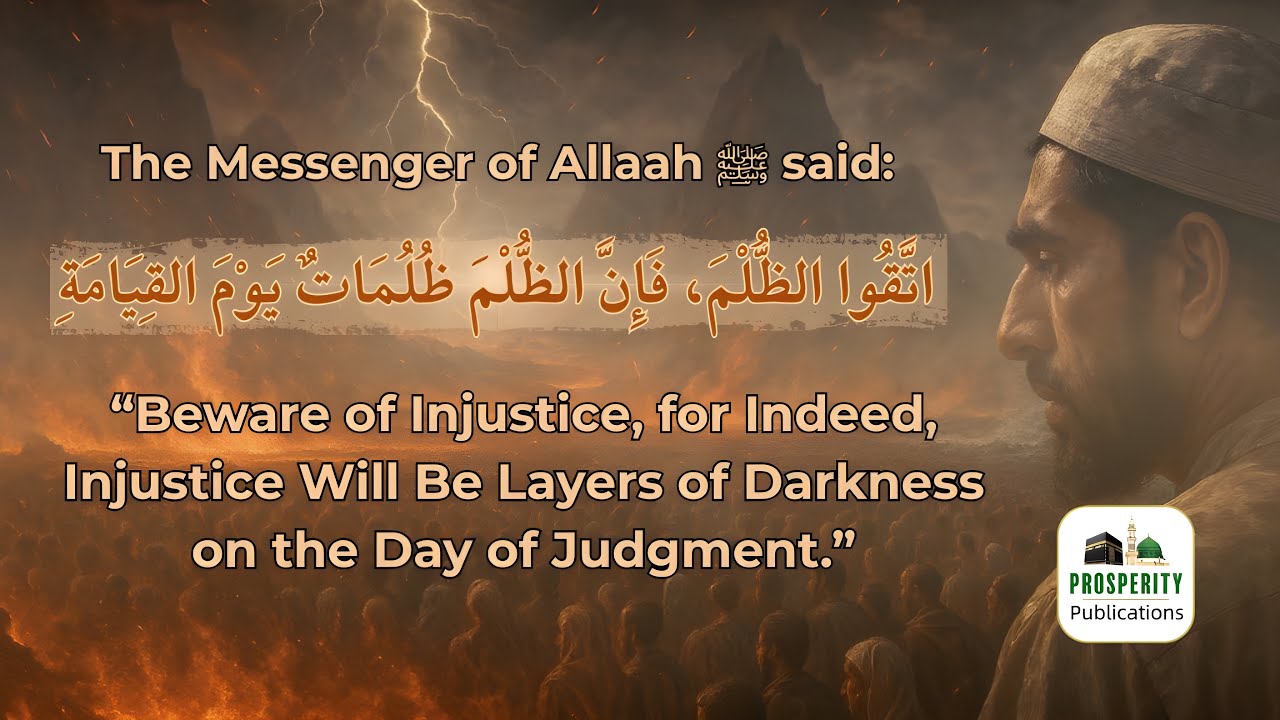
Al-Bukhaariyy and At-Tirmidhiyy narrated with a saheeh chain of narrators that the Prophet, ﷺ, said:
مَنْ كَانَ لِأَخِيهِ عِنْدَهُ مَظْلَمَةٌ فِي عِرْضٍ أَوْ مَالِ فَلْيَسْتَجِلَّهُ الْيَوْمَ قَبْلَ أَنْ لا يَكُونَ دِينَارٌ وَلا دِرْهَمٌ
This means: « Let one now satisfy one’s Muslim brother, whom one treated unjustly, before the Day of Judgment comes, because on that day one cannot satisfy him either by dirhams or by deenaars. »
This means If one committed injustice towards a Muslim in this life whether by verbally harming him or taking his money unjustly, let him seek the person’s satisfaction and forgiveness.
This is so because if he does not do that, then in the Hereafter, if he has good deeds, it will be taken from his good deeds in accordance to the injustice he committed and given to the one to whom the injustice was done to; otherwise, if he does not have good deeds, then sins will be taken from the person to whom the injustice was done to and given to the one who committed the injustice unless Allaah forgives the one who committed the injustice.
The Prophet, ﷺ, said,
النَّائِبُ مِنَ الذَّنْبِ كَمَنْ لا ذَنْبَ لَهُ رَوَاهُ ابْنُ مَاجَهْ
This means: “The one who repents from sin is like one who has no sin.”
If a slave sins and then repents, Allaah will forgive them, even if they have sinned a hundred times or more.
The Door of Repentance Remains Open
Al-Haakim narrated with an authentic chain of narration from the hadeeth of ^Uqbah Ibn ^Amir that a man said:
أَنَّ رَجُلًا قَالَ يَا رَسُولَ اللهِ أَحَدُنَا يُذْنِبُ الذَّنْبَ قَالَ يُكْتَبُ عَلَيْهِ قَالَ ثُمَ يَسْتَغْفِرُ وَيَتُوبُ قَالَ يُغْفَرُ لَهُ وَيُثَابُ عَلَيْهِ (لِأَنَّهُ فَعَلَ وَاجِبًا وَهُوَ التَّوْبَةُ مِنَ الذَّنْبِ) قَالَ ثُمَّ يَعُودُفَيُذْنِبُ قَالَ يُكْتَبُ عَلَيْهِ قَالَ ثُمَ يَسْتَغْفِرُ وَيَتُوبُ قَالَ يُغْفَرُ لَهُ وَيُتَابُ عَلَيْهِ وَلَا يَمَلُّ اللهُ حَتَّى تَمَلُّوا
‘O Messenger of Allaah, one of us commits a sin! He (the Prophet) said: ‘It is written upon him! The man said: “Then he seeks forgiveness and repents.’ The Prophet, ﷺ, said: ‘He will be forgiven and rewarded for it (because he did what was obligatory, which is repentance from the sin)!
The man asked: “Then he returns and sins again? The Prophet, ﷺ, replied: It is written upon him! The man asked again: Then he seeks forgiveness and repents! The Prophet, ﷺ, said: ‘He will be forgiven and rewarded for it’ Allaah does not stop forgiveness until you stop seeking it.
This means that no matter how many times a slave sins and then repents, Allaah, the Exalted forgives him.
Praise be to Allaah, and Allaah knows best