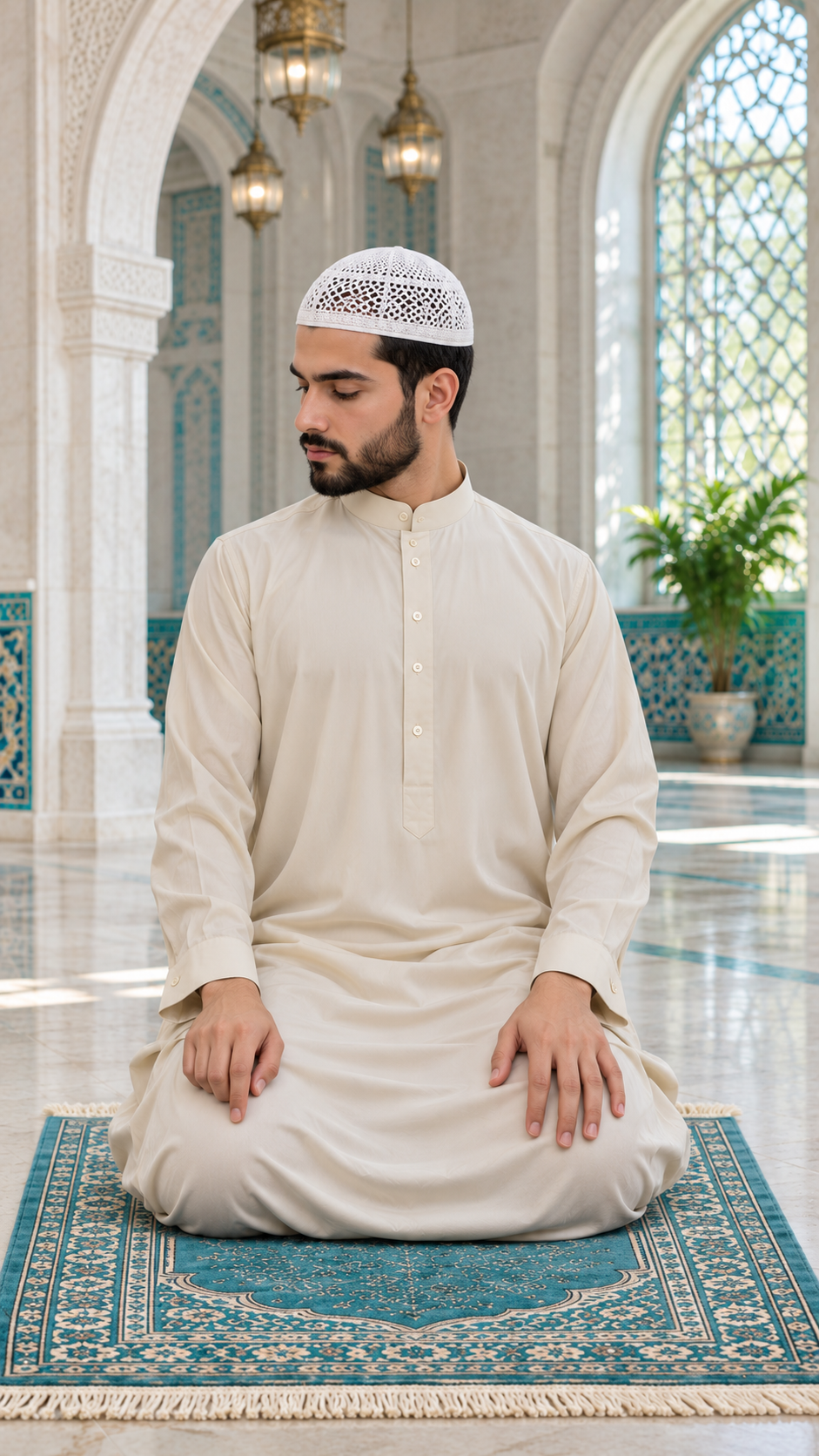
The Dhuhr Prayer is four rak^ahs (cycles)
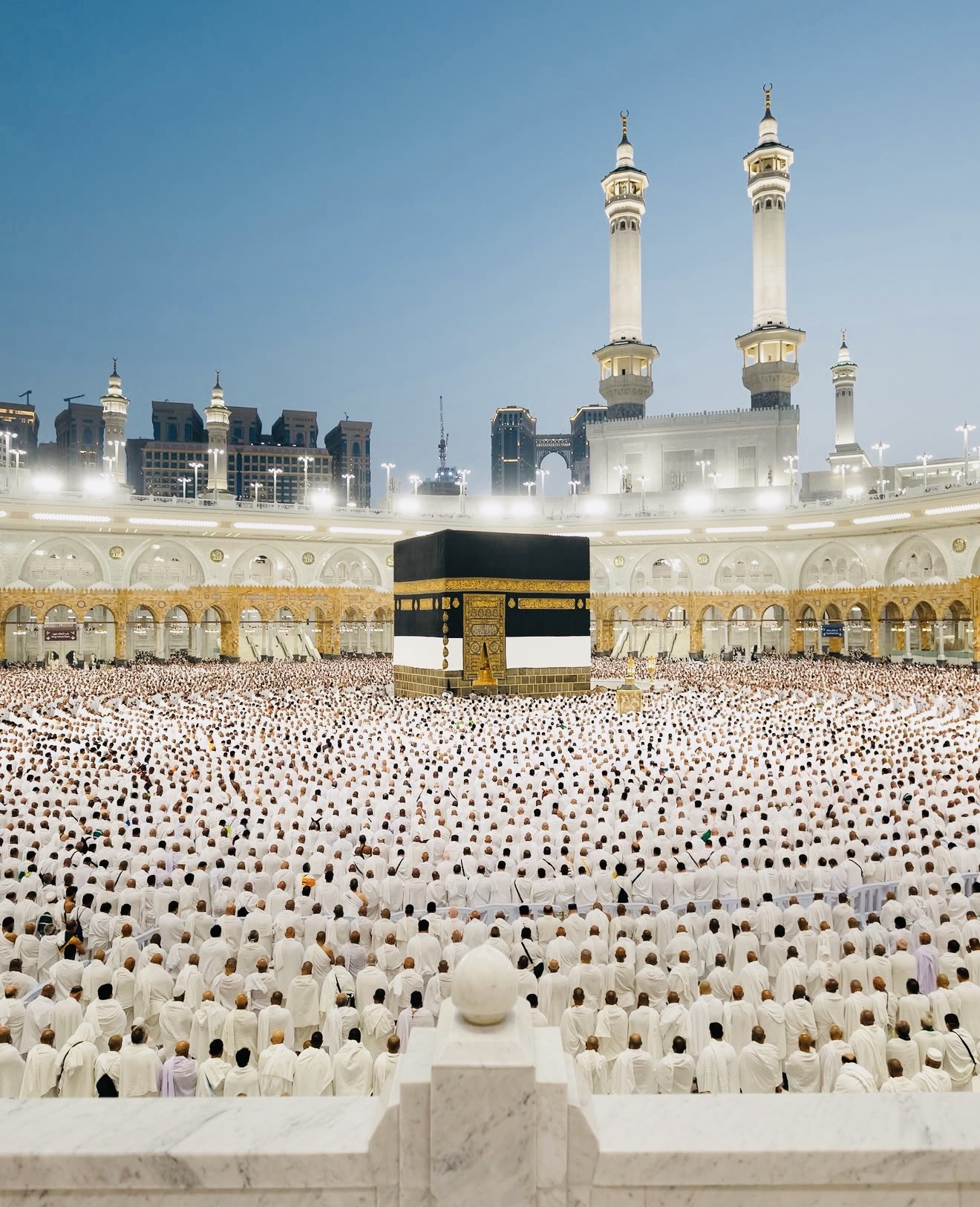
01: Facing the Qiblah
It is obligatory to stand directing your chest to the Qiblah. The honorable Ka^bah is your Qiblah, which means your direction in prayer.
02: Placing the Intention
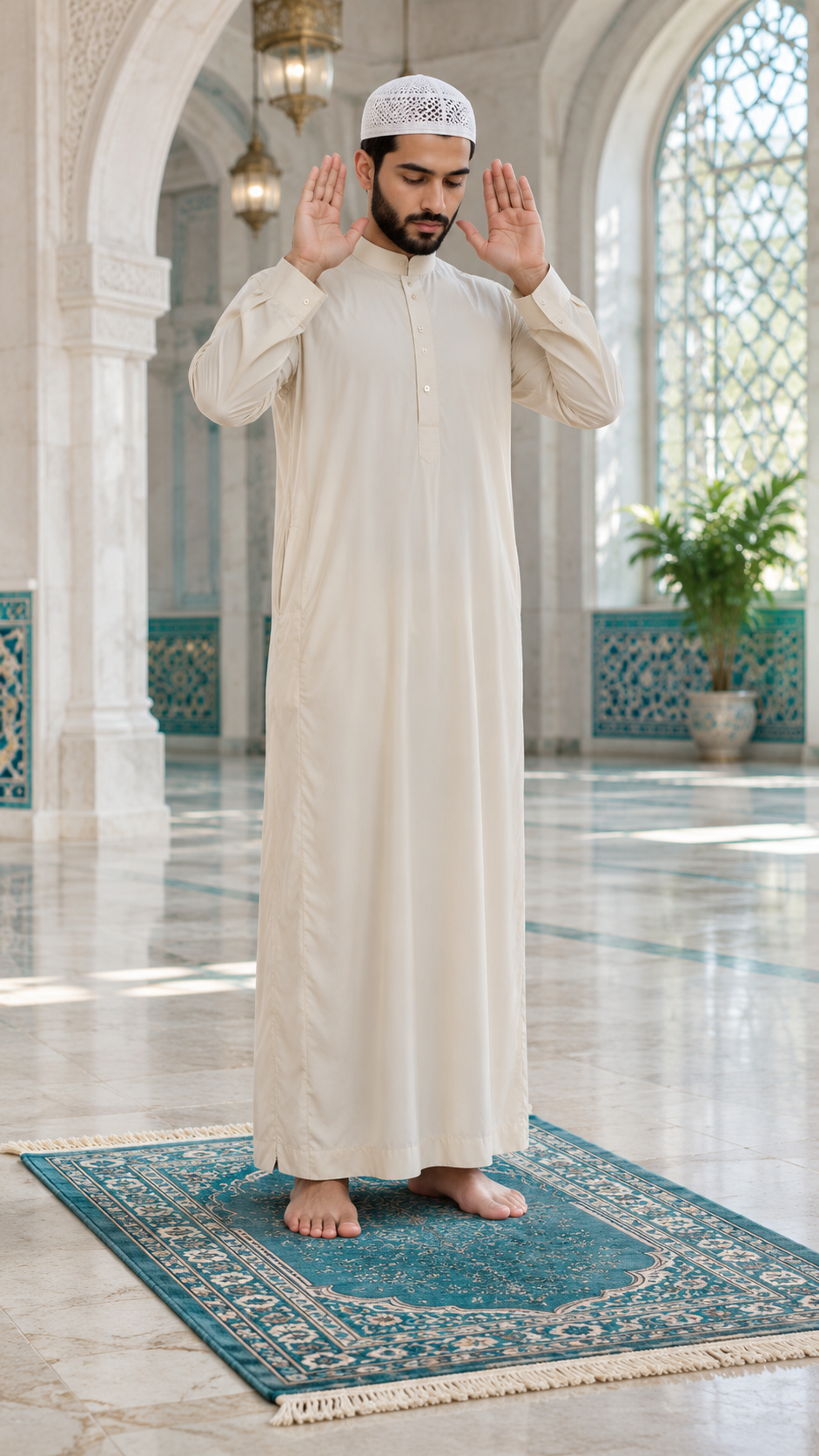
It is obligatory to intend in your heart performing the obligatory Dhuhr prayer. Do that while saying اللَّهُ أَكْبَر (Allaahu akbar). An example is to say in your heart, “I intend to pray the obligatory Dhuhr prayer.”
03: The Opening Takbeer
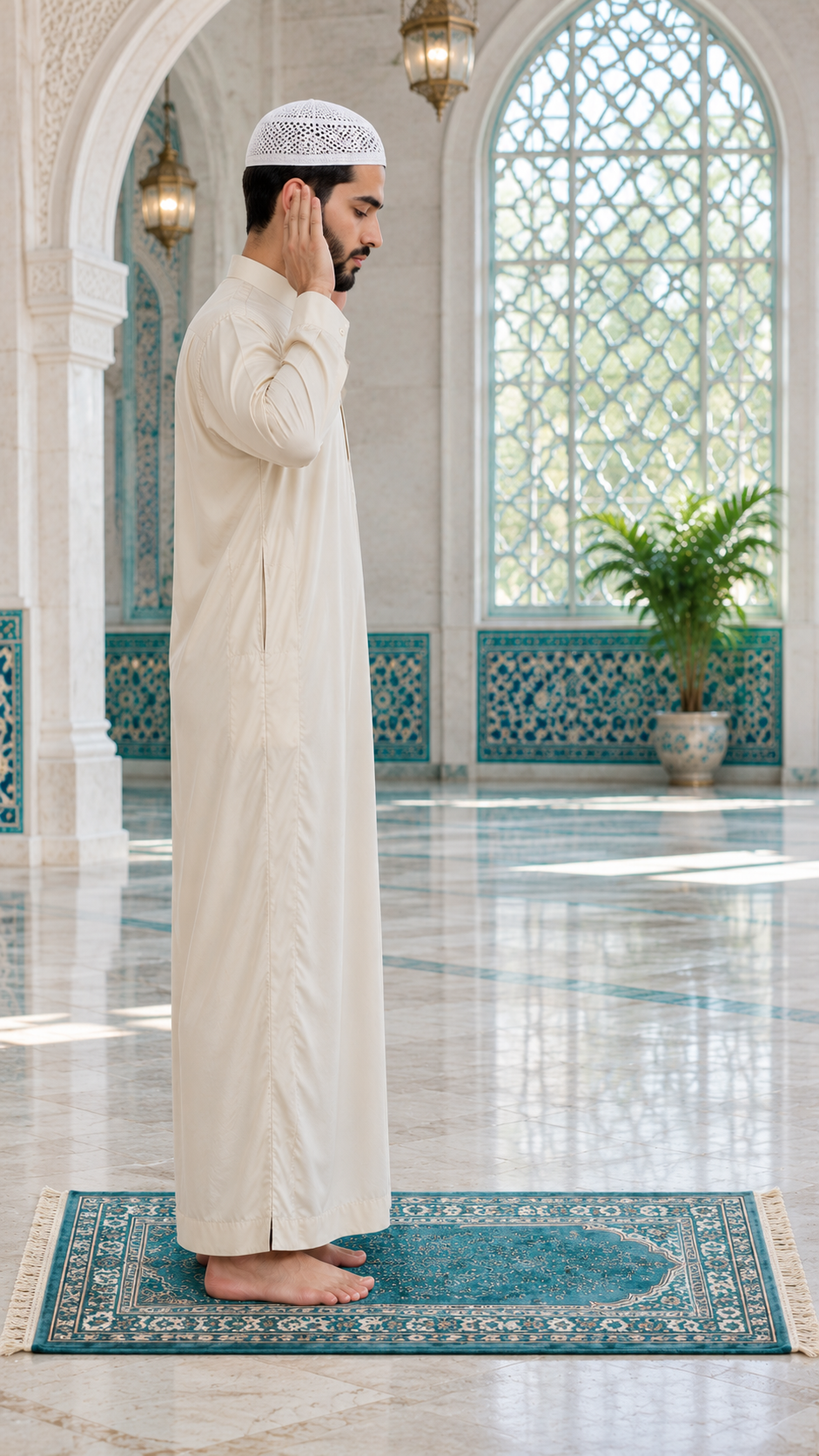
It is obligatory to say اللَّهُ أَكْبَر (Allaahu akbar) at least as loud as you can hear yourself. It is Recommended to raise your hands so that your thumb is at ear’s level when you say اللَّهُ أَكْبَر (Allaahu akbar).
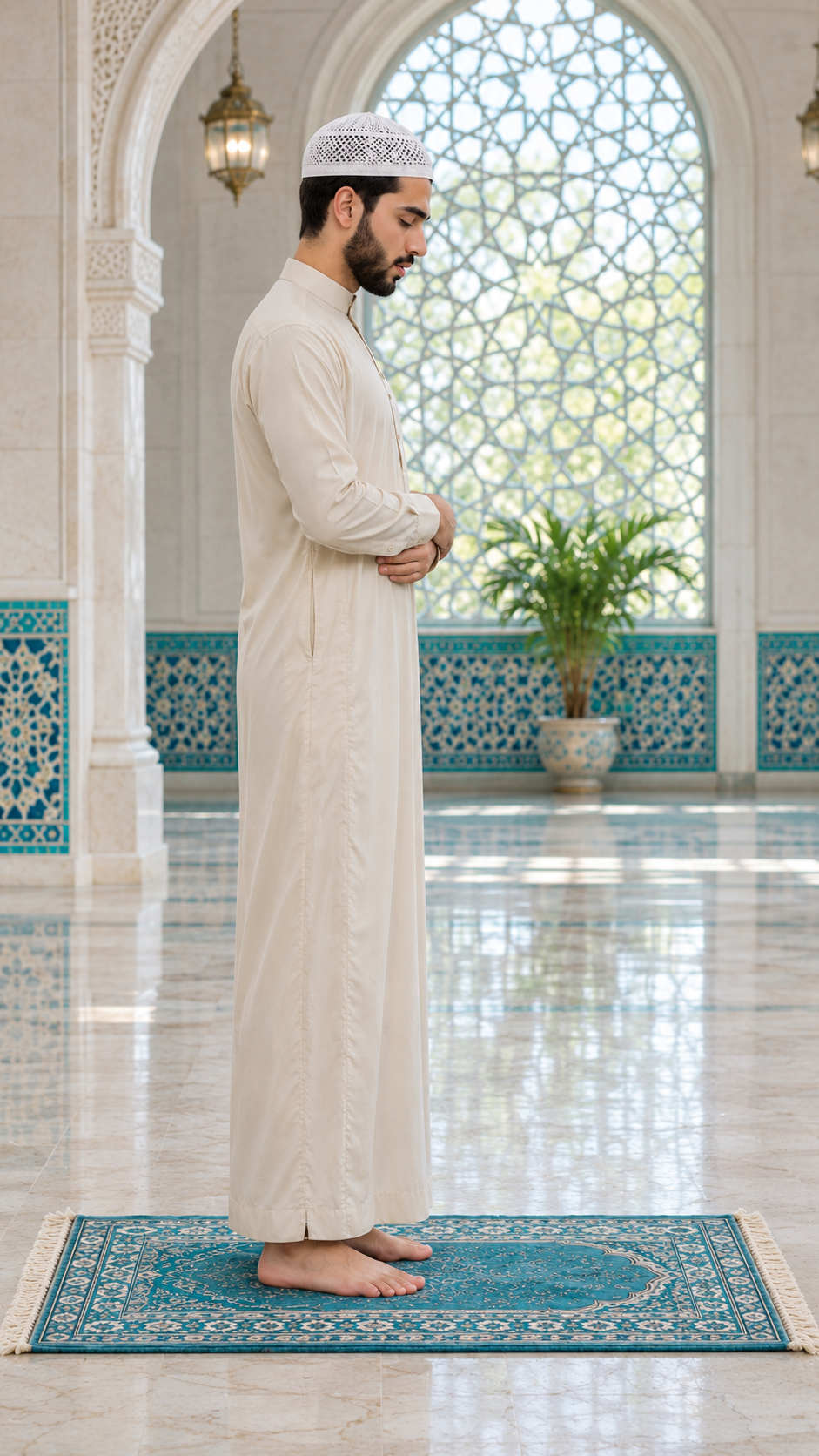
04: To Stand (Qiyaam)
It is obligatory to stand in the obligatory prayer when able.If unable, one prays sitting. If unable, one prays lying on one’s side. If unable, one prays lying on one’s back. It is recommended to hold the wrist of the left hand with the right hand, placing both above the navel. It is recommended to softly recite the Opening Supplication, then the isti^aadhah.
OPENING SUPPLICATION AL-isti^aadhah05: To Recite the Faatihah
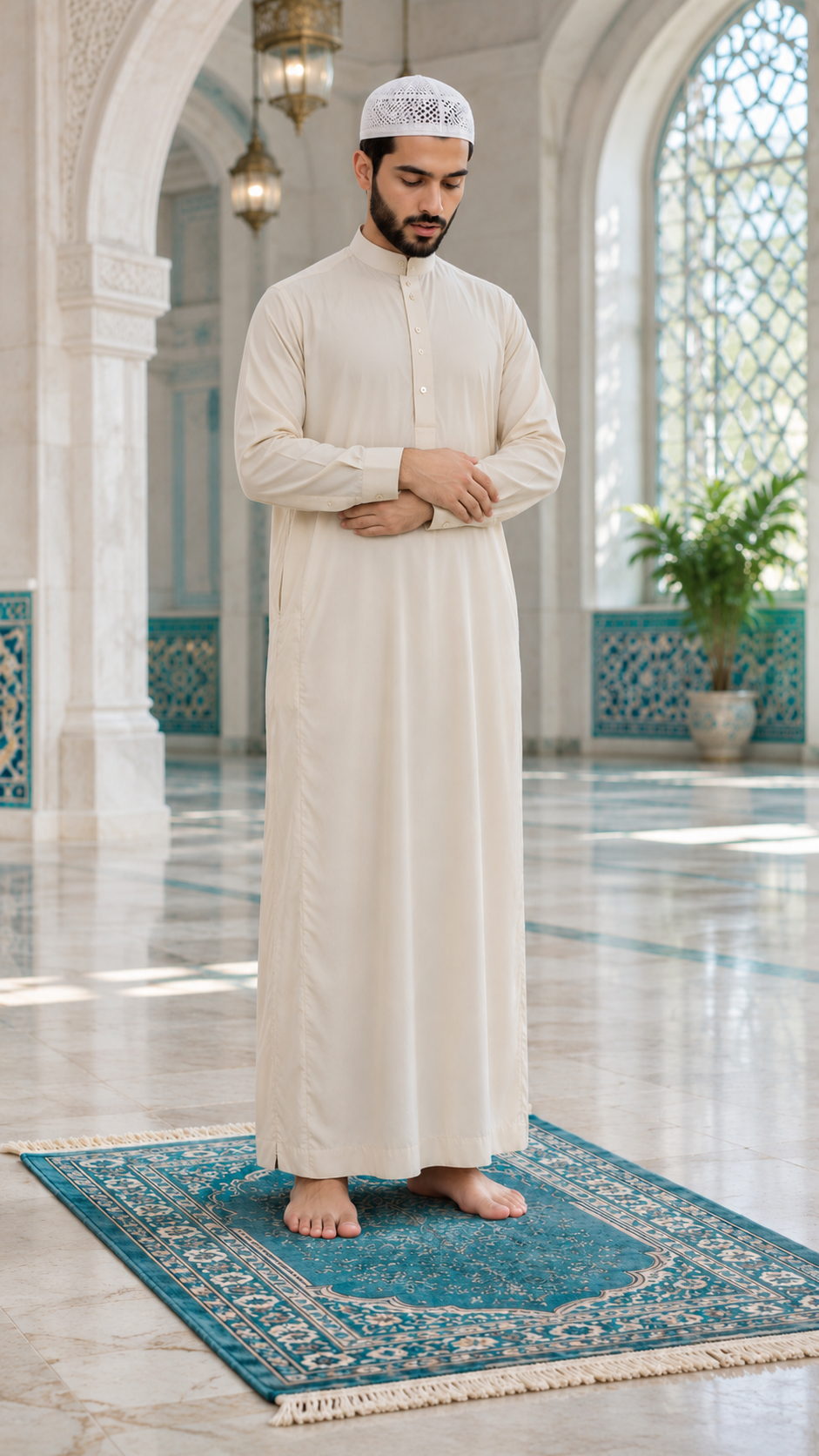
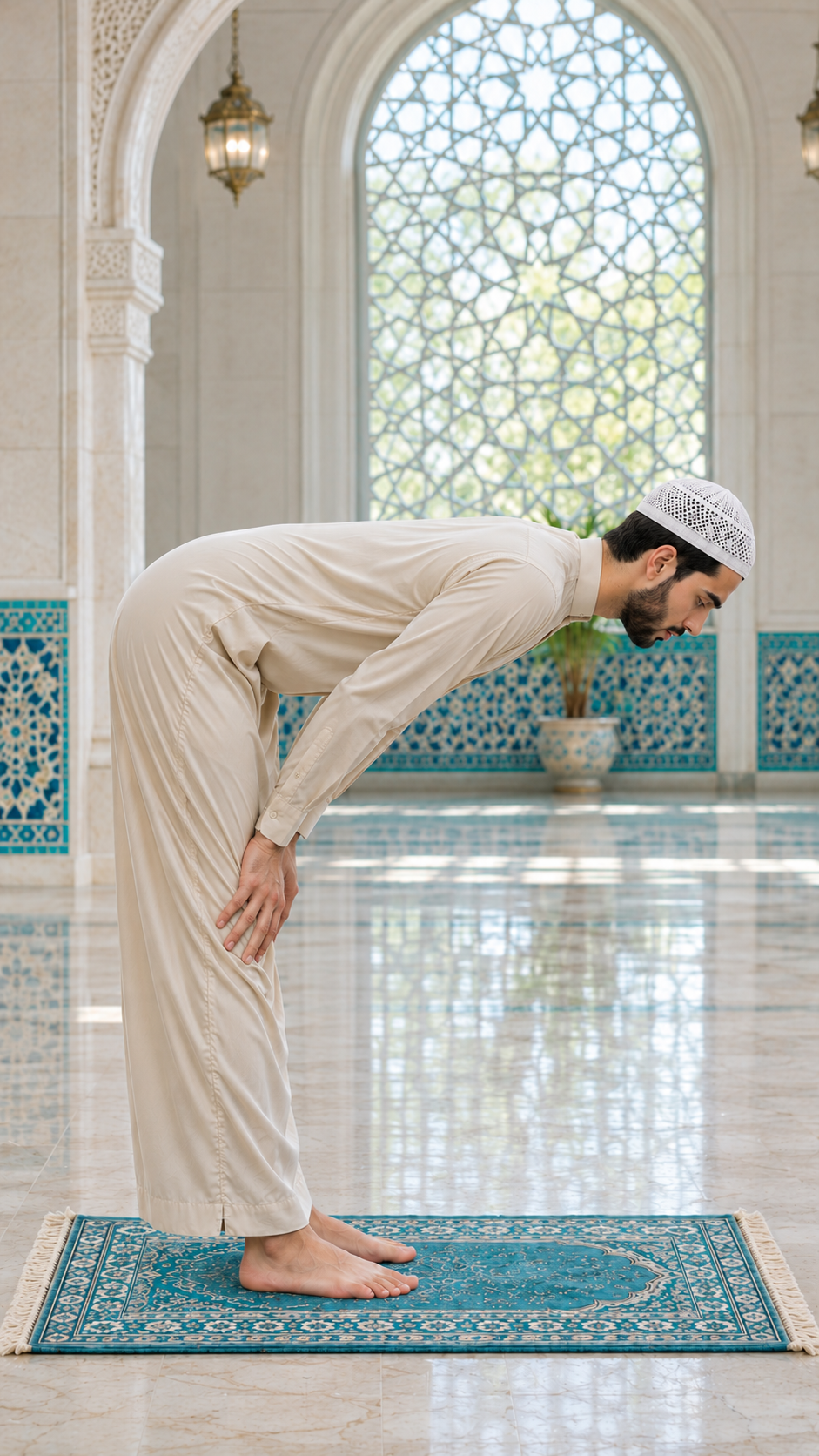
06: The Rukoo^ (Bowing)
It is obligatory to perform rukoo^ by bowing until one’s palms could reach one’s knees and to remain motionless in rukoo^ for the duration of saying اللَّه سُبْحَانَ (subhanallaah) – (tuma’ninah) while having each bone settled in its place all at once.
It is recommended upon bending to raise your hands next to your ears and say اللَّهُ أَكْبَر (Allaahu akbar). Also, it is recommended while in rukoo^ to say three times: سُبْحَانَ رَبِّيَ الْعَظِيمِ (subhaana Rabbiyal-^Adhem). It means: Praise be to my Great Lord.
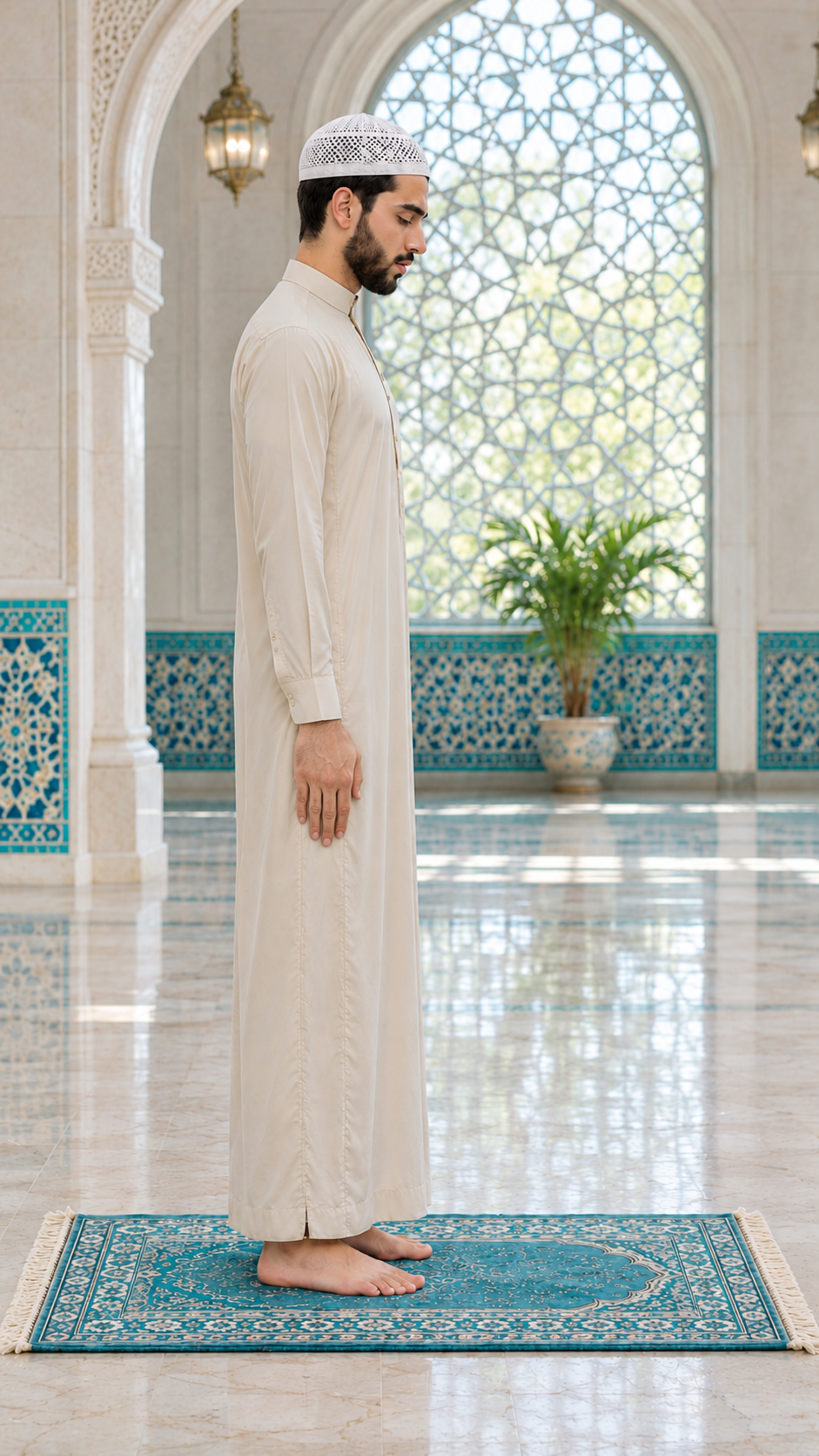
07: The Straighten up (I^tidaal)
It is obligatory to straighten one’s back and stay still in this position for the time it at least it takes to say اللَّه سُبْحَانَ (subhanallaah) – (tuma’ninah).
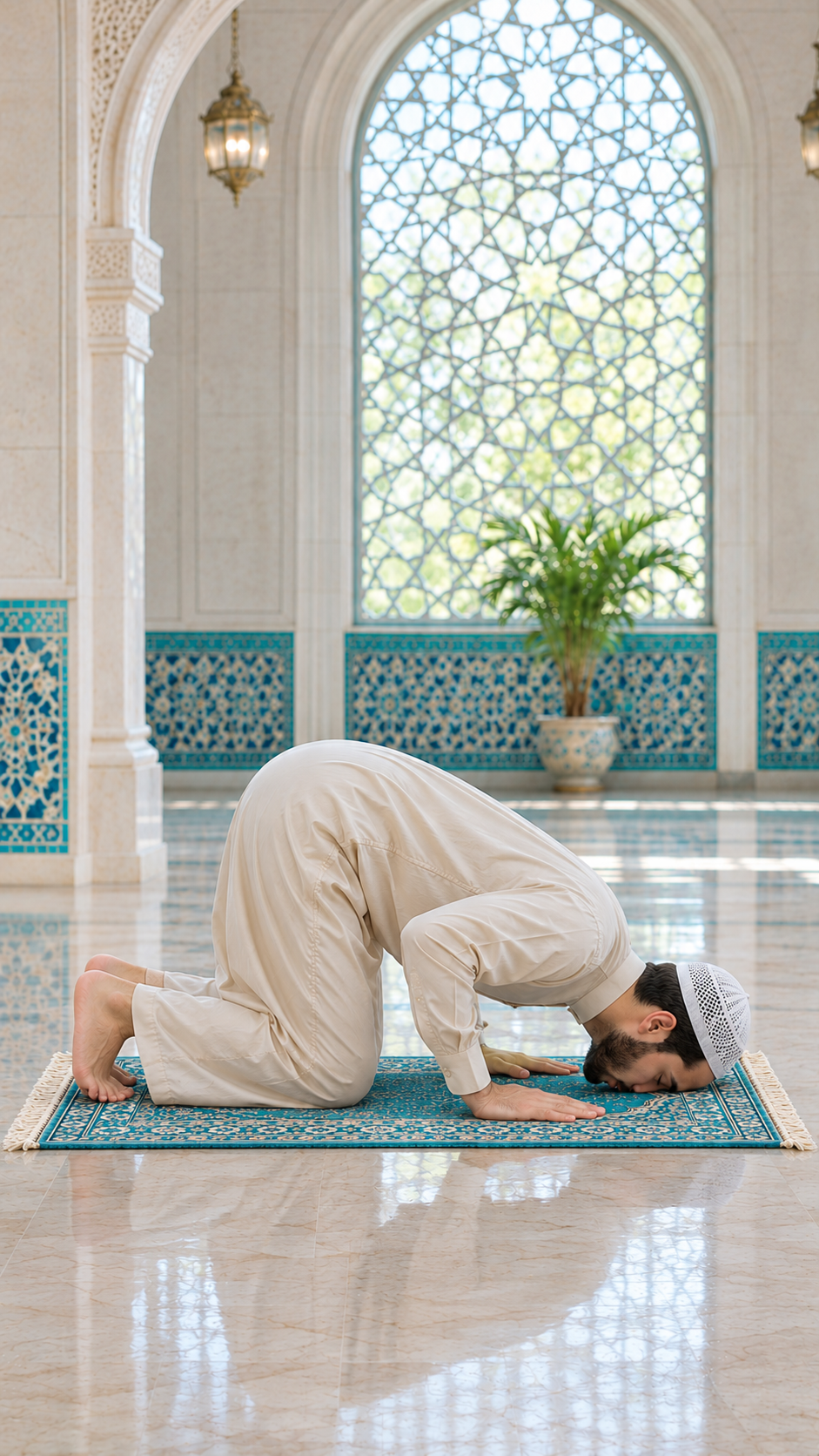
08: The Sujood (Prostration)
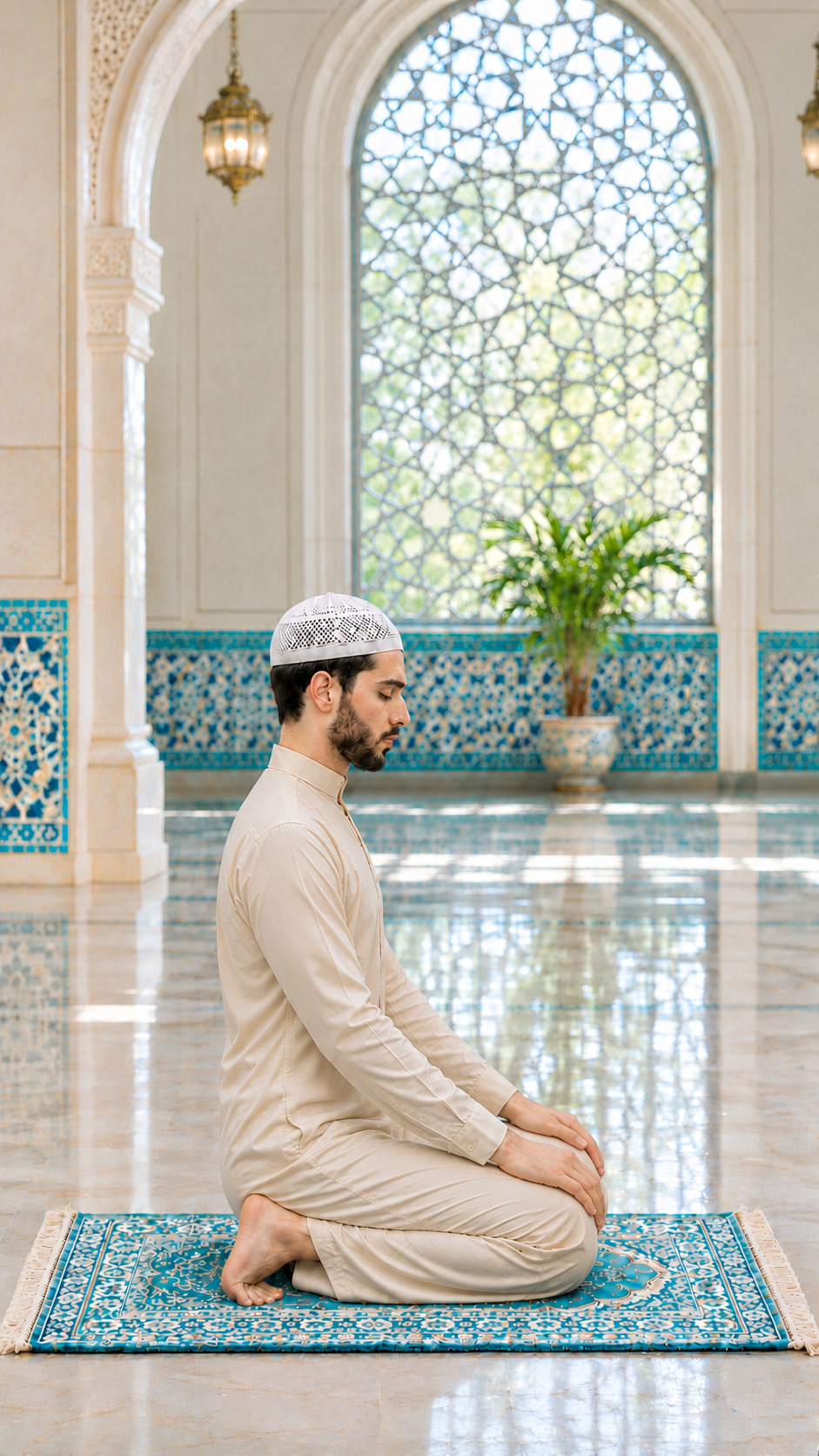
09: The Sitting Between the Two Sujoods
It is obligatory to raise your trunk from prostration and sit, staying still in this position for at least the time it takes to say سُبْحَانَ اللَّه (subhaanallaah).
It is recommended to say اللَّهُ أَكْبَر (Allaahu akbar) while coming to sit.
10: To perform a Second Sujood from your Sitting Position
- To perform a second sujood from your sitting position. This sujood is similar to the first sujood.
- After the second sujood is fulfilled you have completed the first rak^ah (cycle) of the prayer.
11: To stand up for the second rak^ah
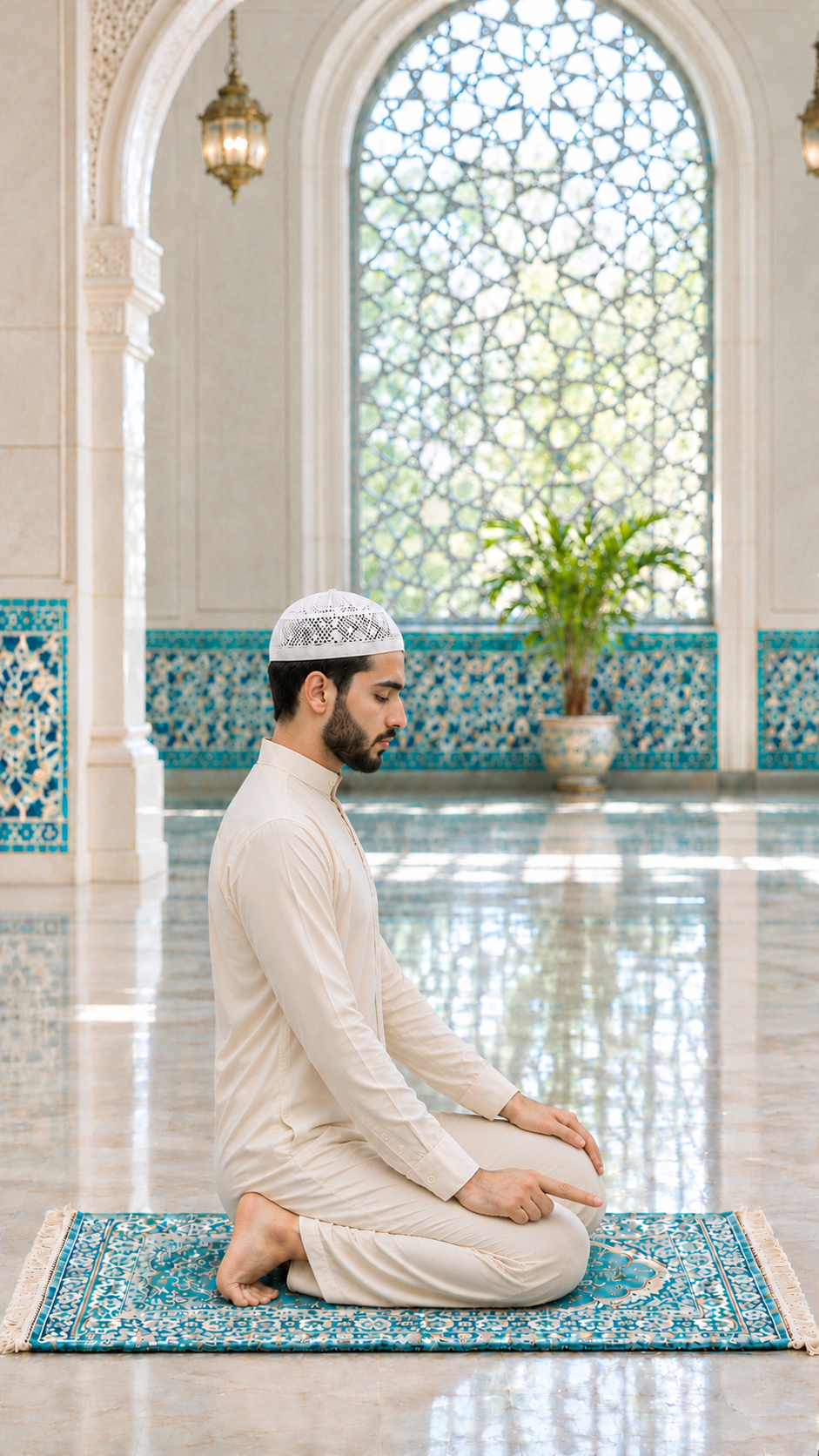
12: The First Tashahhud (Recommended)
It is recommended at this time to sit up from sujood, recite the Tashahhud, and say اللَّهُمَّ صَلِّ عَلَى مُحَمَّد (Allaahumma salli ^alaa Muhammad) at least as loud as you can hear yourself.
13: To stand up and do two more rak^ahs
It is obligatory to stand up and do two more rak^ahs in the same way that you did from steps 5 to 11. It is recommended while rising for the third rak^ah to raise your hands next to your ears and say اللَّهُ أَكْبَر (Allaahu akbar). However, raising the hands is not recommended while rising for the fourth rak^ah.
14: The Second Tashahhud (Obligatory)
Upon completion of the second sujood of the last rak^ah, it is obligatory to sit up, recite the Tashahhud, and say اللَّهُمَّ صَلِّ عَلَى مُحَمَّد (Allaahumma salli ^alaa Muhammad) – this completes the obligation. Afterwards, it is recommended to say as–Salaatul-Ibraaheemiyyah.
15: The Ending Salaam
It is obligatory to say السَّلَامُ عَلَيْكُم (as-salaamu ^alaykum) at least as loud as you can hear yourself. It is recommended to say السَّلَامُ عَلَيْكُمْ وَرَحْمَةُ اللَّهِ (as-salaamu ^alaykum wa rahmatullaah), first upon turning the head to one’s right and then upon turning it to one’s left.
By saying this, your Dhuhr prayer has ended.